Examining Interplay Between Progressive Jackpot Features and Diverse Payment Options in Regulated Mobile Live Gaming Under Swedish Statutes
Parker Lorenz · Oct 5, 2026
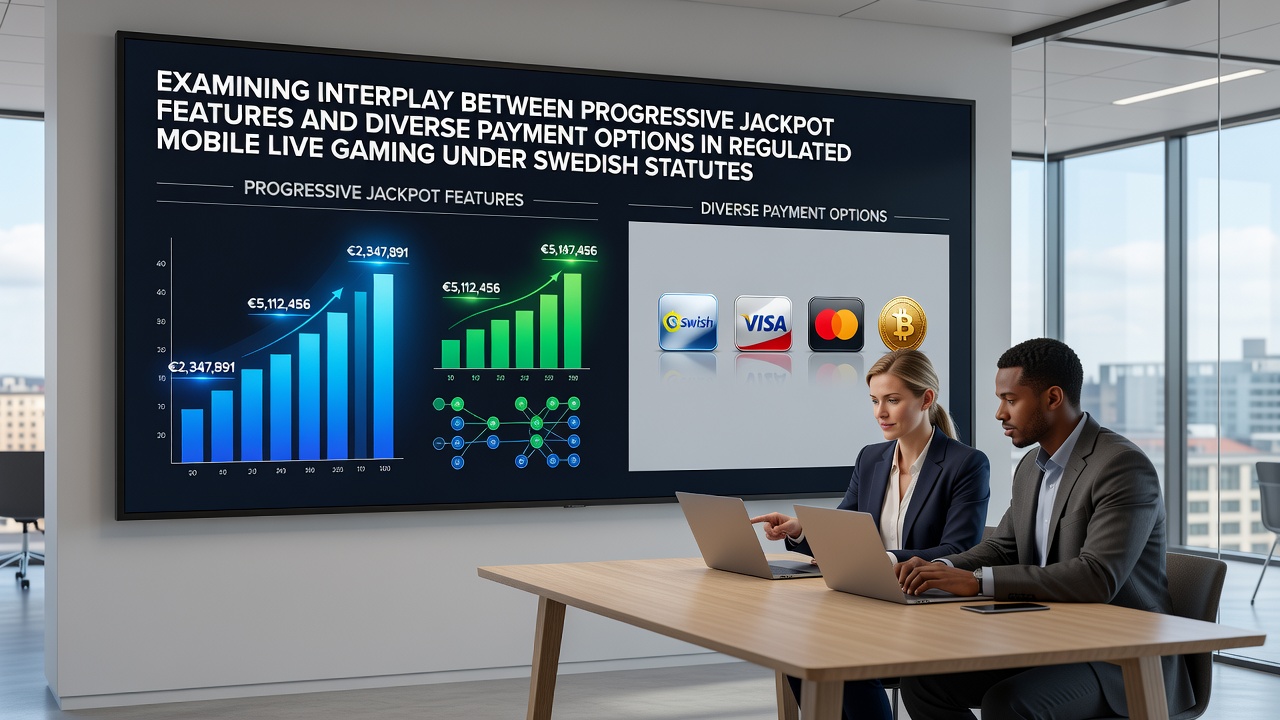
Examining Interplay Between Progressive Jackpot Features and Diverse Payment Options in Regulated Mobile Live Gaming Under Swedish Statutes
Swedish statutes establish a structured environment where progressive jackpot features operate alongside diverse payment options in mobile live gaming, and observers note that this framework creates specific operational dynamics for operators and players alike. Data from regulatory records indicates that live dealer sessions streamed to mobile devices must comply with licensing requirements set by Spelinspektionen, the national authority responsible for overseeing all forms of gambling activity within the jurisdiction. Progressive jackpots accumulate contributions from wagers placed during these sessions, while payment systems handle deposits and withdrawals that directly determine participation eligibility and prize distribution timelines.
Regulatory Oversight and Market Structure
Swedish legislation requires all mobile live gaming platforms to integrate payment solutions that meet strict anti-money laundering standards and transaction verification protocols, and this setup influences how progressive jackpot pools receive funding from individual bets. Research conducted by European gaming analysis groups shows that operators licensed under Swedish rules must ensure real-time synchronization between payment confirmations and jackpot contributions, which prevents delays that could affect game integrity. Figures released by industry monitoring bodies reveal that mobile sessions account for a growing share of live dealer activity, with payment diversity including instant bank transfers, card networks, and digital wallets all subject to the same oversight mechanisms.
Progressive Jackpot Mechanics in Live Environments
Progressive jackpot systems in regulated mobile live gaming link multiple tables or game variants into shared prize pools, and contributions occur automatically when players place qualifying bets through approved payment channels. Those who have examined transaction logs note that the speed of fund settlement from various payment methods can affect the frequency of jackpot triggers, since delayed authorizations might temporarily restrict access to certain progressive features. Studies from academic institutions focused on gambling technology demonstrate that Swedish statutes mandate transparent display of jackpot meters on mobile interfaces, ensuring players receive accurate information about current pool values regardless of the payment option selected for funding their accounts.
Payment Diversity and Transaction Integration
Diverse payment options under Swedish regulation include systems that process funds in seconds as well as those requiring additional verification steps, and this variation creates measurable differences in how quickly players can engage with progressive jackpot games. Data compiled by regulatory agencies indicates that operators must maintain compatibility across these methods while upholding uniform rules for jackpot eligibility, which means every deposit type feeds into the same contribution calculations once cleared. Observers tracking platform performance report that certain digital wallet solutions enable faster re-entry into live sessions after a jackpot win, since withdrawal processing times vary by provider yet remain bound by statutory reporting requirements.

Operators integrate these payment systems through certified technical interfaces that log every transaction for audit purposes, and Swedish statutes require retention of records that link specific wagers to jackpot pool increments. Industry reports from organizations monitoring Northern European markets highlight cases where payment method choice influenced session continuity, particularly when players switched between instant and batch-processed options during extended live gaming periods.
Technical and Compliance Interconnections
Technical standards enforced by Swedish authorities require that progressive jackpot software interfaces seamlessly with payment gateways, ensuring no interruption occurs when funds move between player accounts and game servers. Evidence from compliance reviews shows that operators conduct regular testing to verify that diverse payment options do not create discrepancies in jackpot contribution rates or prize payout accuracy. Researchers examining these systems have documented how encryption protocols applied to transactions also protect the integrity of jackpot data streams during mobile live sessions, and this dual-layer security approach aligns with broader statutory demands for player protection.
Market statistics indicate continued expansion of mobile live gaming under the current Swedish framework, with operators adapting jackpot features to accommodate evolving payment technologies while maintaining full regulatory alignment. According to information published by Spelinspektionen, licensed entities must submit detailed reports on both jackpot activity and payment flows, allowing authorities to monitor the interplay across all regulated platforms. Additional analysis from international gaming research centers, including those referenced in reports by the Alcohol and Gaming Commission of Ontario, provides comparative context on how similar regulatory models handle these elements in other jurisdictions.
Conclusion
The interplay between progressive jackpot features and diverse payment options in regulated mobile live gaming under Swedish statutes centers on synchronized transaction processing, verified contribution mechanisms, and consistent compliance reporting. Regulatory records and operational data demonstrate that these components function within a unified system designed to maintain fairness and transparency across all licensed activities, with ongoing adaptations reflecting changes in both technology and statutory guidance.